This book was inspired by a curious boy’s endless questions about the world and my passion for making complex ideas enjoyable for children.
As a mother, economist, author, and educator, I believe learning should be an adventure filled with fun, curiosity, and discovery.
Stories. Skills. Legacy. From the heart, for the world.
© 2025 HP GlobalX Pty Ltd | ABN 57 690 833 222 | ACN 690 833 222
Economics for Kids – Flagship Program of HP GlobalX
[Terms & Conditions] | [Privacy Policy]
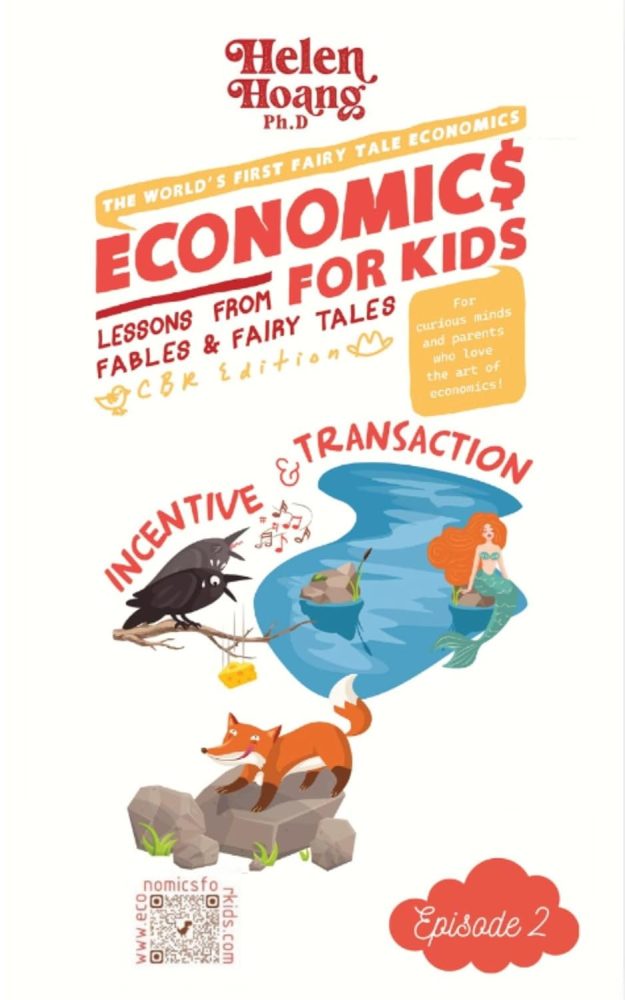
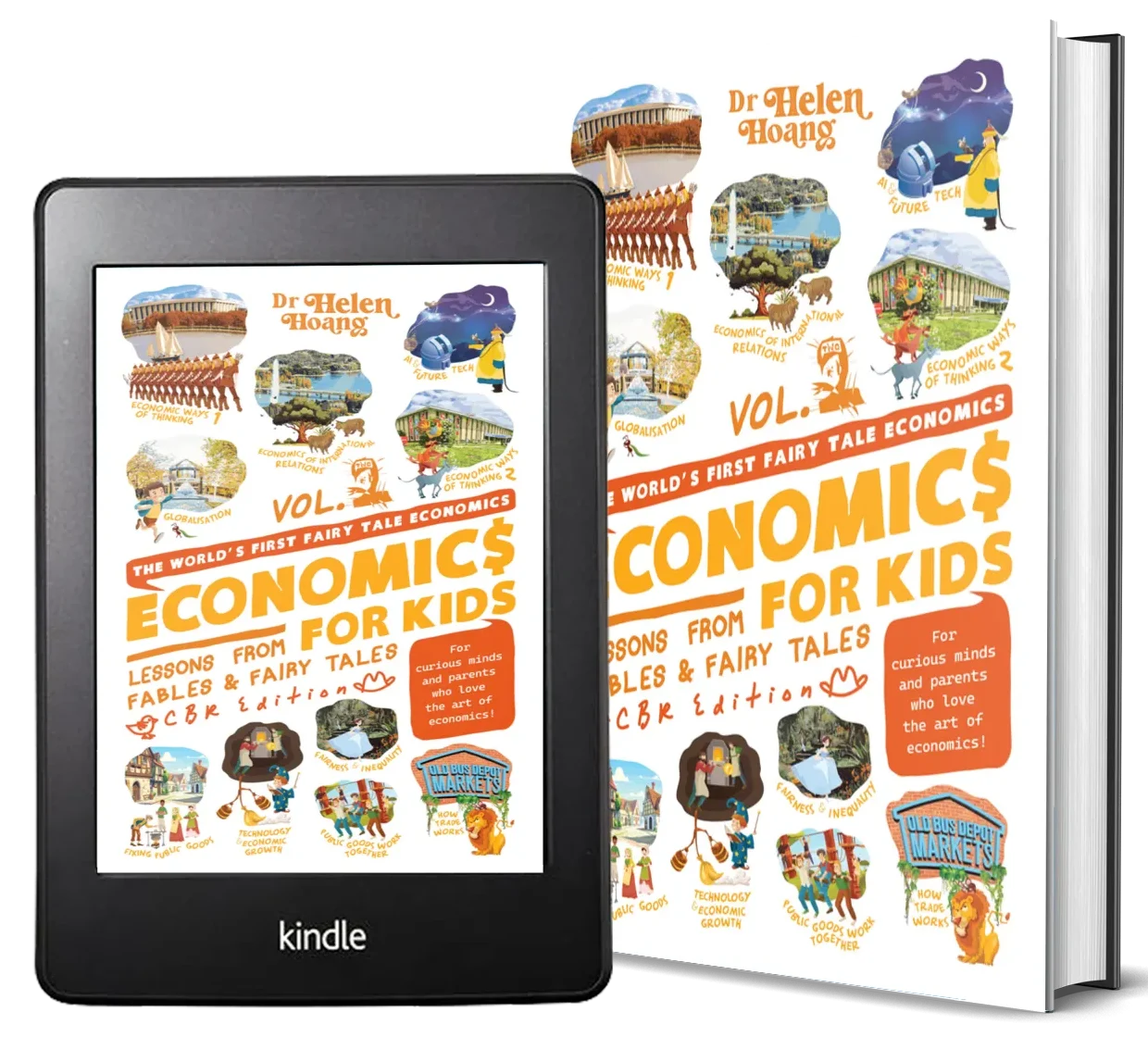
Episode 2 takes young readers on an exciting adventure with Econ Mon and Econ Kid as they hike through scenic Mt. Ainslie in Canberra, Australia. Along the way, children discover two essential economic principles: incentives and transactions, brought to life through the timeless fable of The Crow & The Fox.
With vibrant illustrations and a lively narrative, this mini book transforms economic theory into simple, relatable lessons about everyday choices and clever trades. Kids will see how small decisions can have big impacts, making economics both understandable and fun.
Perfect for parents, educators, and curious minds, Episode 2 offers an engaging introduction to economics that sparks meaningful conversations and inspires a love of learning about how the world works.
Explore the basics of economics with Economics for Kids – Episode 3: Big Ideas in Economics – Adam Smith and John Maynard Keynes.
Children will learn how Adam Smith’s ideas shape everyday buying and selling, while John Maynard Keynes’s theories explain the important role governments play in supporting the economy.
Designed for curious minds aged 7–12, this engaging book features short chapters, practical examples, and fun illustrations to keep kids interested.
It’s the perfect way to build a strong foundation in financial literacy, critical thinking, and real-life money skills.
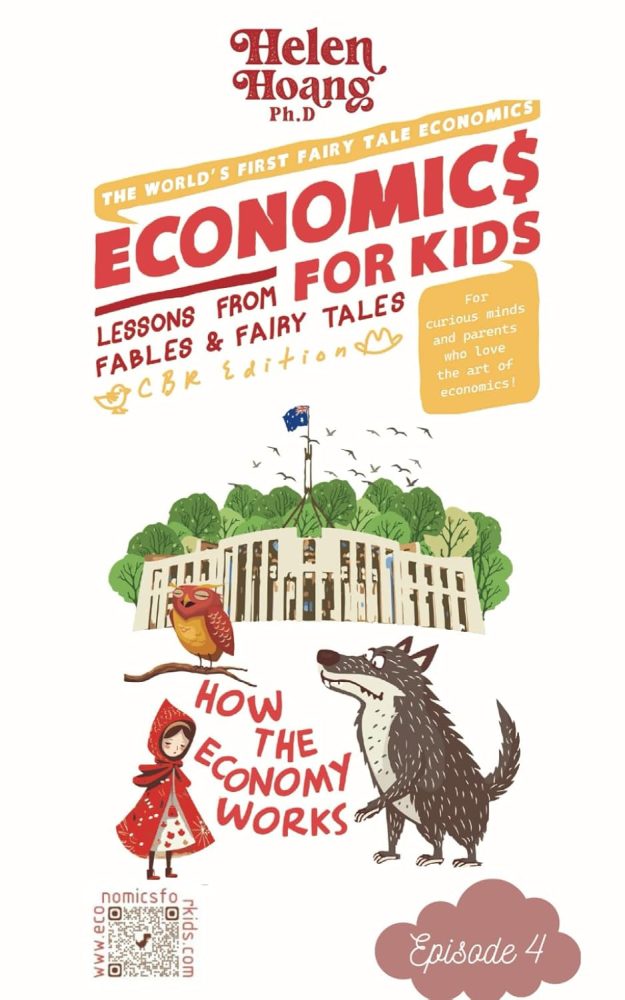
Unlock the secrets of how the economy works with this fun and accessible kids’ book, using the classic story of Little Red Cap to explain important microeconomics and macroeconomics concepts.
Through engaging storytelling, children discover how choices, markets, supply and demand, prices, government policies, public goods, and central banks shape our world.
Follow Little Red Cap as she navigates the forest market, learning firsthand how supply and demand set prices, while the Wise Owl shows how central banks and public goods keep the forest economy running smoothly.
Part of the Lessons from Fables and Fairy Tales series, this book is a perfect resource for parents, teachers, and young learners eager to make economics simple, fun, and memorable.
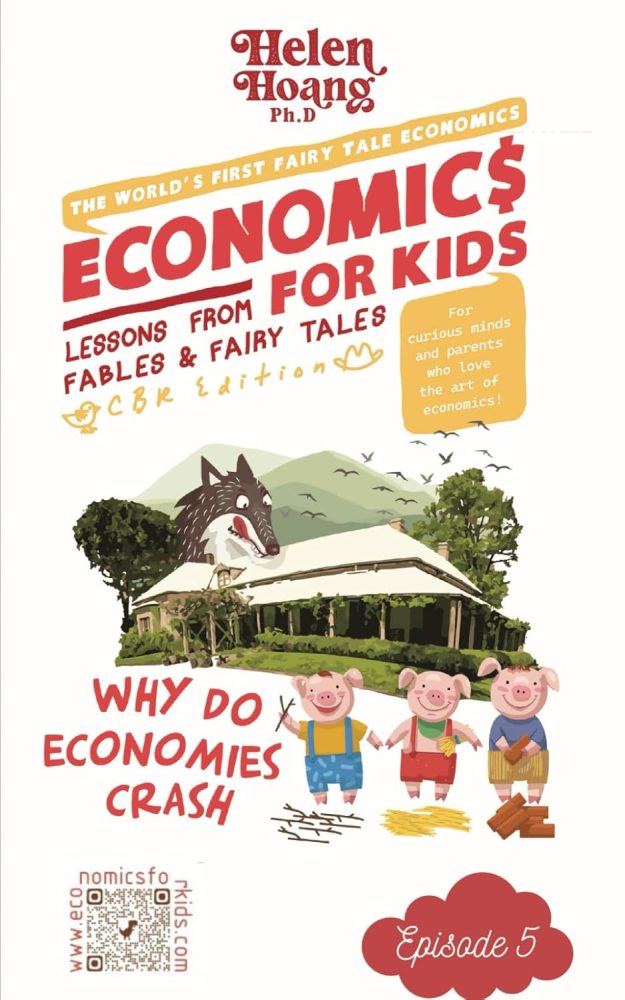
Discover why economies crash with The Three Little Pigs: Why Do Economies Crash?, an engaging children’s book that makes financial concepts easy and fun to grasp. Through the classic fable, kids learn the value of building strong financial foundations, managing risks, and understanding the importance of a stable economic system.
Just as the third pig’s brick house stands firm, a solid financial plan leads to long-term security, while careful choices and smart risk management help avoid trouble. The story also shows how a strong economy can protect everyone during challenging times.
Part of the Economics for Kids series, this book is ideal for parents, teachers, and young learners who want to build financial literacy and make confident, informed decisions.
Introduce children to the basics of economics with The Storks and the Frogs, a lively story that makes complex ideas easy to understand. Through this engaging tale, kids discover what monetary policy is and why it’s important to think about the consequences of financial decisions.
Young readers will see how the central bank manages money—just like the Frogs wishing for a wise King to guide their pond—and learn the value of considering the impact of every choice, especially when it comes to money.
Part of the Economics for Kids series, this book turns big economic concepts into fun, relatable lessons, inspiring smart decision-making and financial confidence in children.
Introduce children to smart money management with The Fisherman and His Wife: Economic Lessons for Kids. This classic story makes financial literacy fun by teaching young readers about smart spending and the difference between good and bad deficits in a simple, engaging way.
Kids will discover why it’s important to balance spending and saving—just like governments do—and how thoughtful choices can lead to better outcomes. The book also explains how some deficits can help during tough times, while overspending can cause bigger problems later.
Part of the Economics for Kids series, this book uses storytelling to simplify complex ideas and encourages responsible decision-making, helping children build a strong foundation in money management.
Introduce children to the world of taxes with Rumpelstiltskin: Economic Lessons About Taxes for Kids.
Through this engaging and creative retelling, kids learn essential economic concepts like taxes, incentives and penalties, and the importance of balancing government budgets.
Children will discover how taxes fund vital services such as schools, hospitals, and roads, and why everyone’s contribution matters.
The story also explains how tax incentives can encourage good habits like saving, while penalties help discourage negative behaviors, and highlights the difference between budget surpluses and deficits.
Introduce kids to key economic ideas with The Tortoise and the Hare: Economic Lessons for Kids, a lively retelling that makes financial stability and smart choices easy to understand. Using the classic fable, this book shows why a steady, resilient economy—like the Tortoise’s—leads to long-term success, while chasing quick booms—like the Hare—can bring risks.
Children will learn the value of patience, persistence, and making thoughtful financial decisions for lasting stability.
Part of the Economics for Kids series, this book transforms complex economic concepts into fun, relatable lessons that inspire smart habits and long-term thinking in young readers.